A series of 4 experiments have been completed in the Lab of Sport & exercise psychology
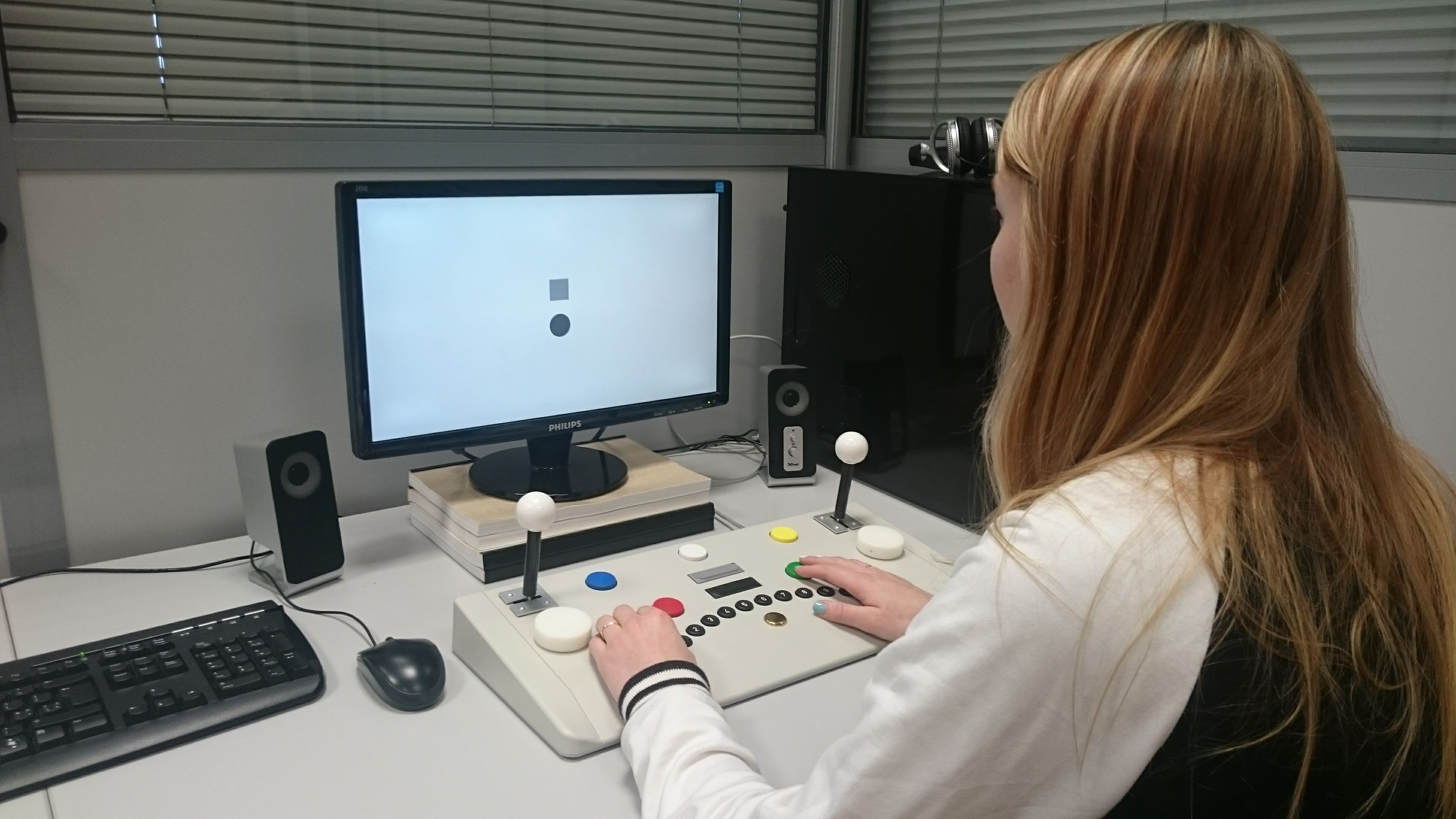
After long and hard work a series of four experiments have been completed in our Lab, from our postgraduate students Lefteris Papagiannis, Laur Nurkse and Jelle Kooijman, with the valuable contribution of our undergraduate assistant Silia Karathanasi, under the supervision of Professor Antonis Hatzigeorgiadis and Post-doc researcher Evangelos Galanis.
… and they’re going public!
Laur and Jelle are defending their master theses today, with Lefteris following shortly.
Master theses completed in the Lab of Sport & Exercise Psychology at the School of Physical Education & Sport Science of the University of Thessaly.

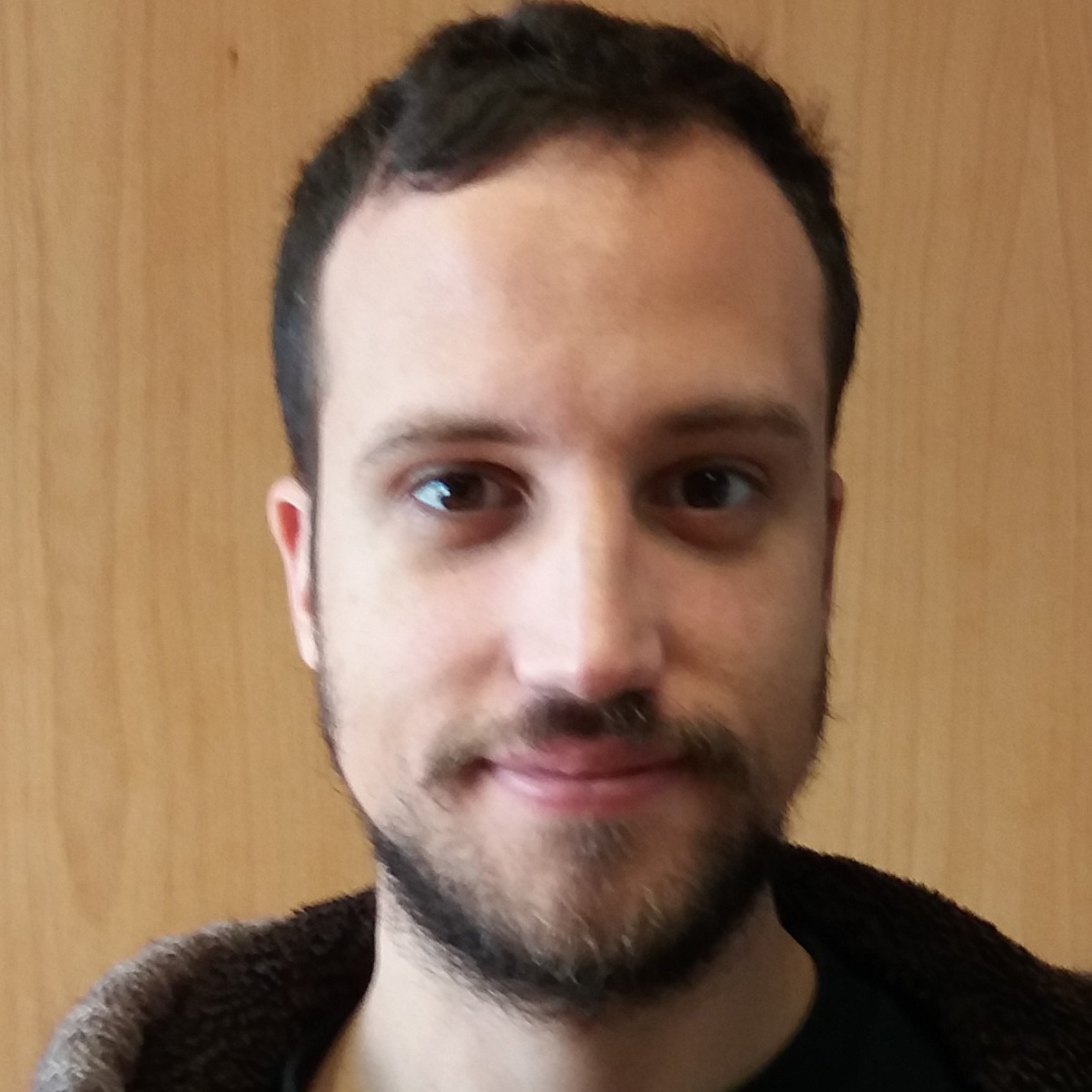
Lefteris Papagiannis: "Effects of self-talk strategies on divided attention following physical exhaustion"
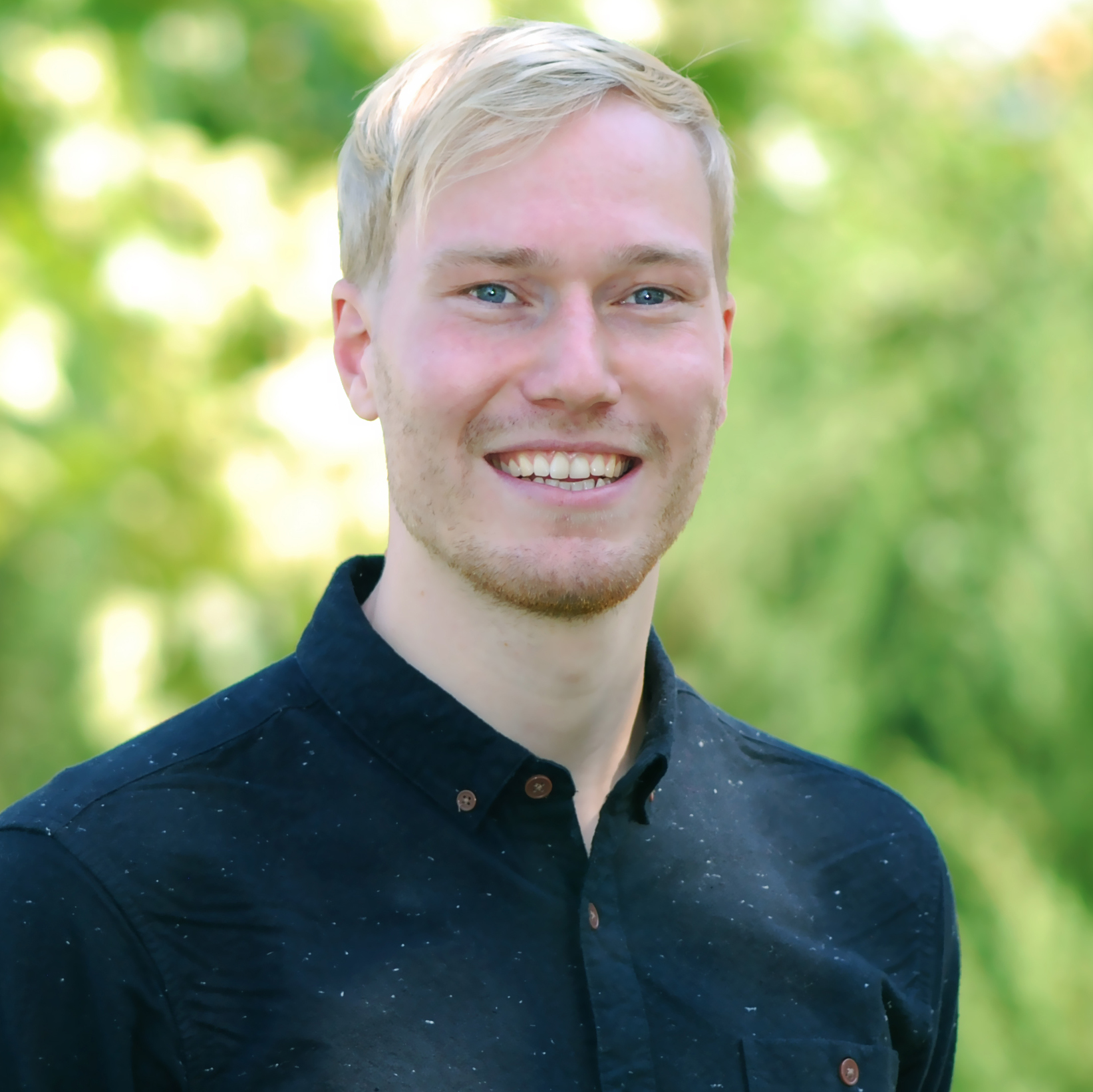
Laur Nurkse: "The effects of self-talk on a golf putting task under conditions of ego depletion"

Jelle Kooijman: "The effects of a self-talk intervention on a divided attention golf task under conditions of ego-depletion"
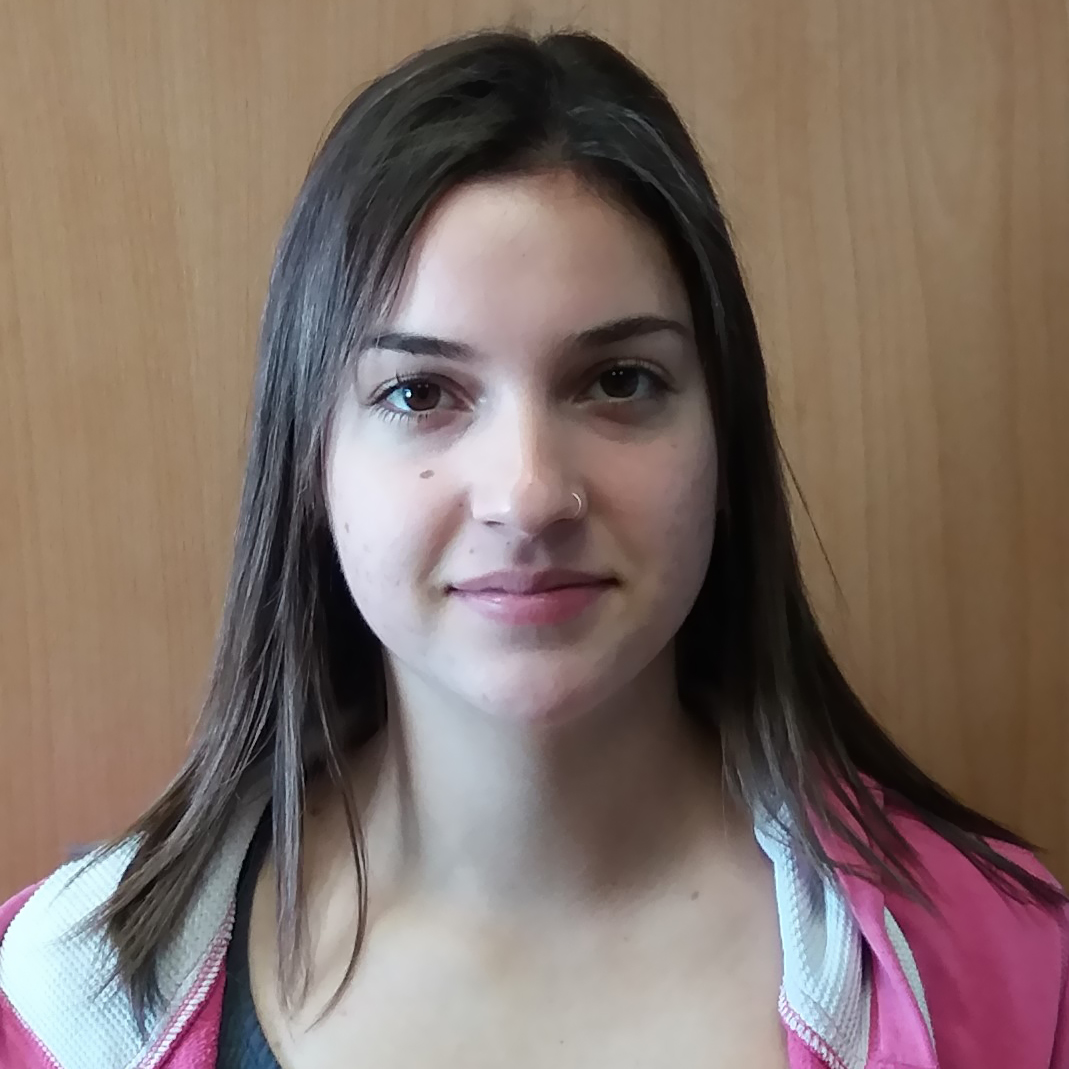
Silia Karathanasi
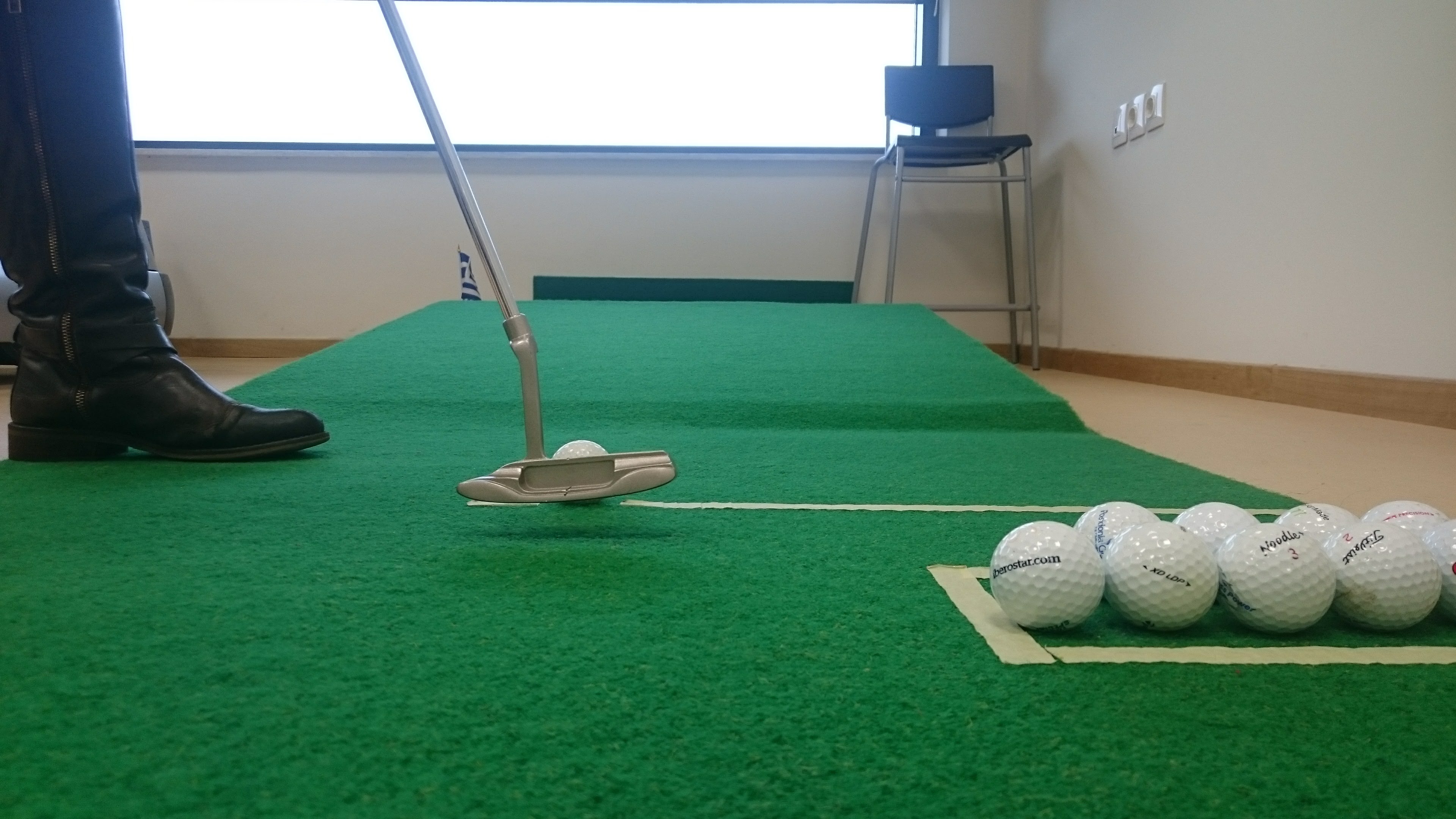
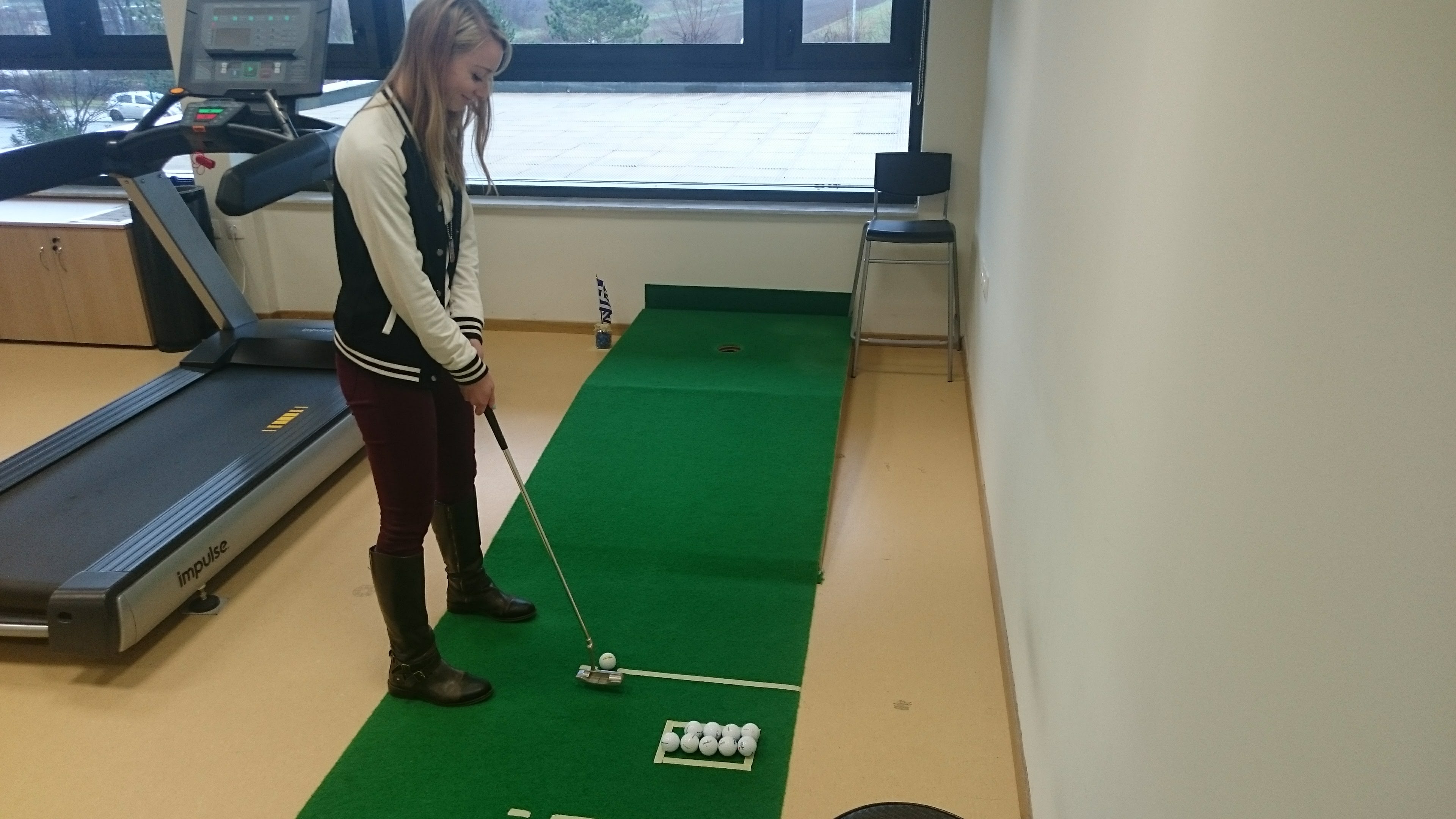
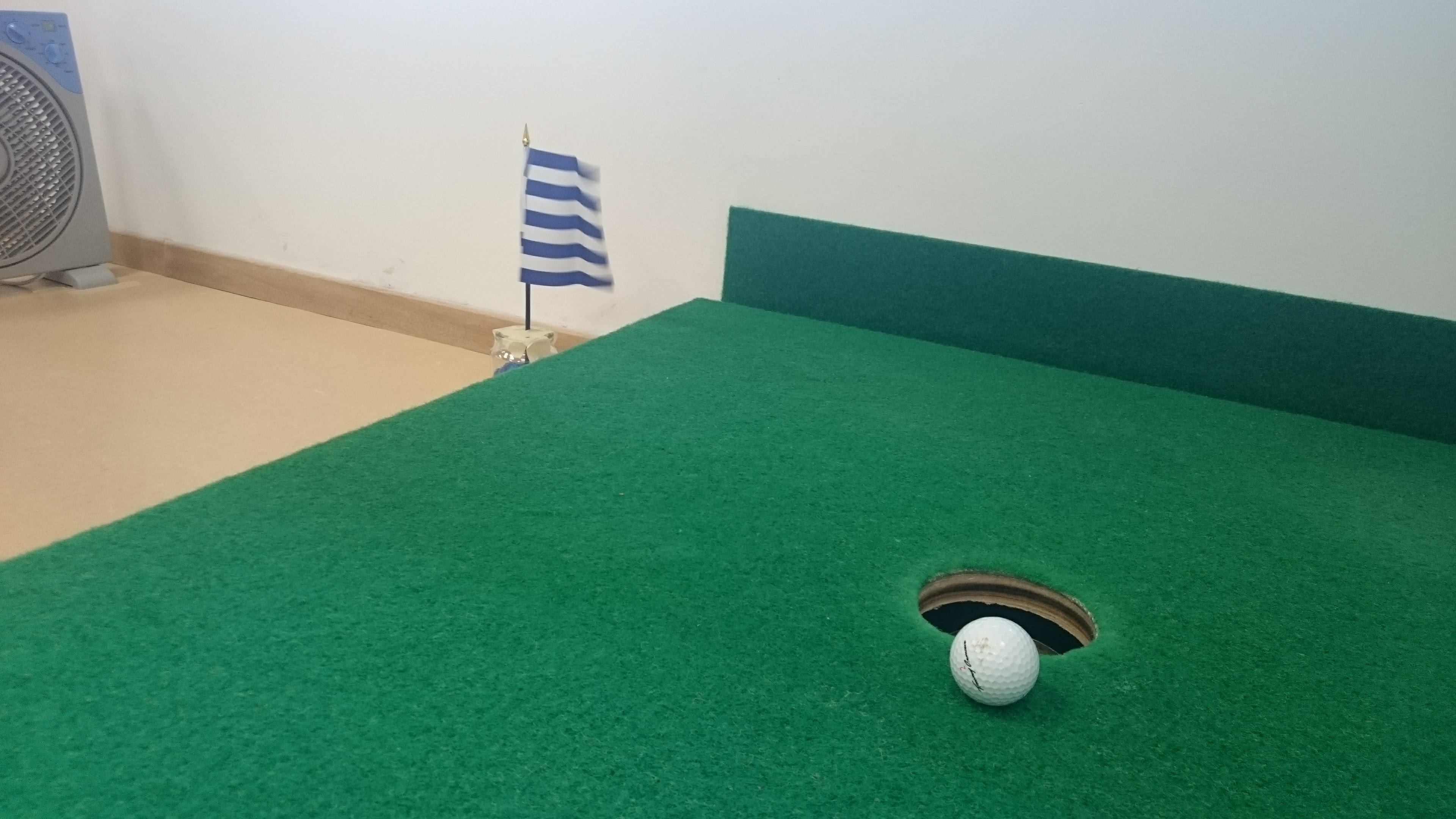
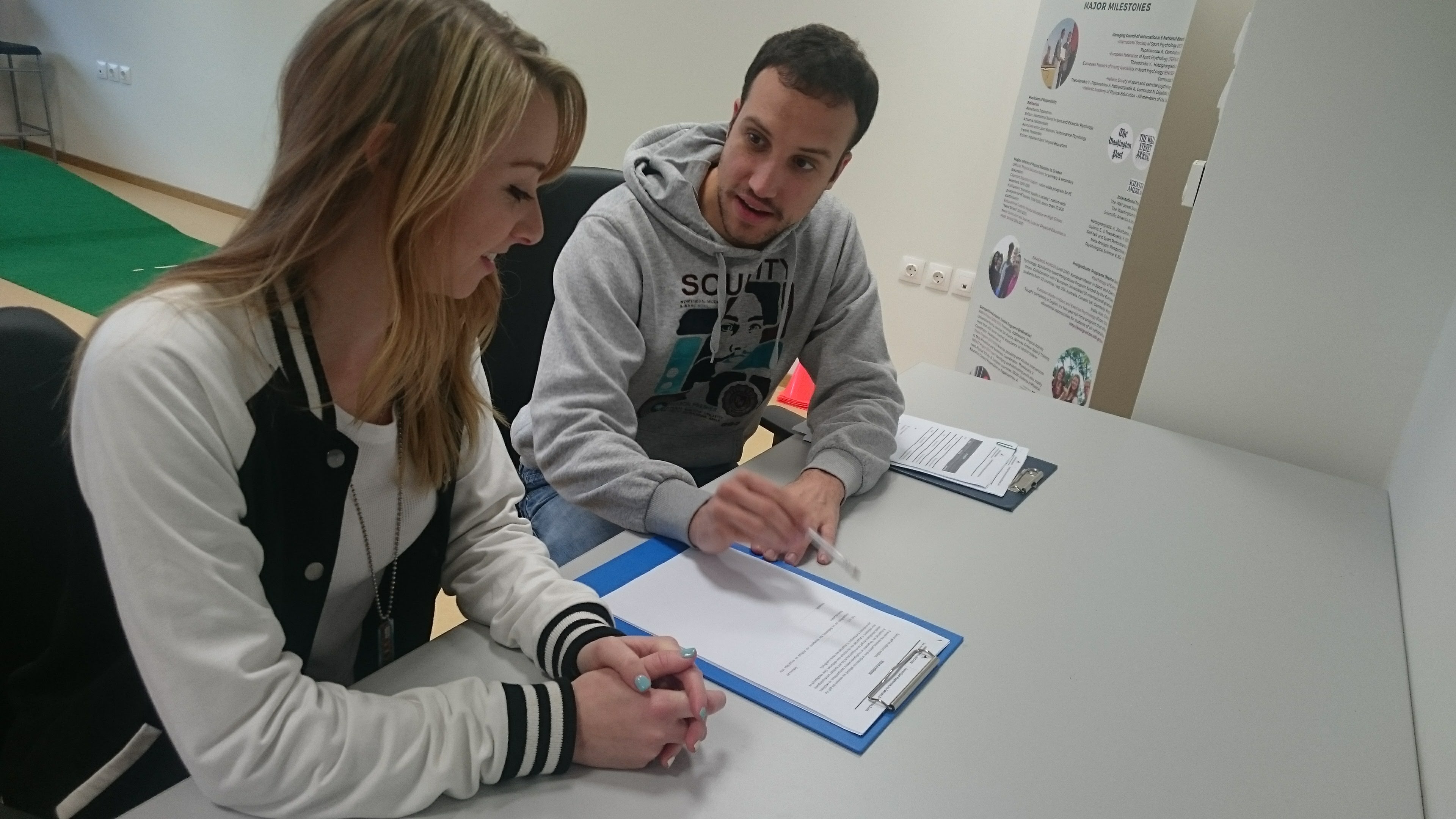
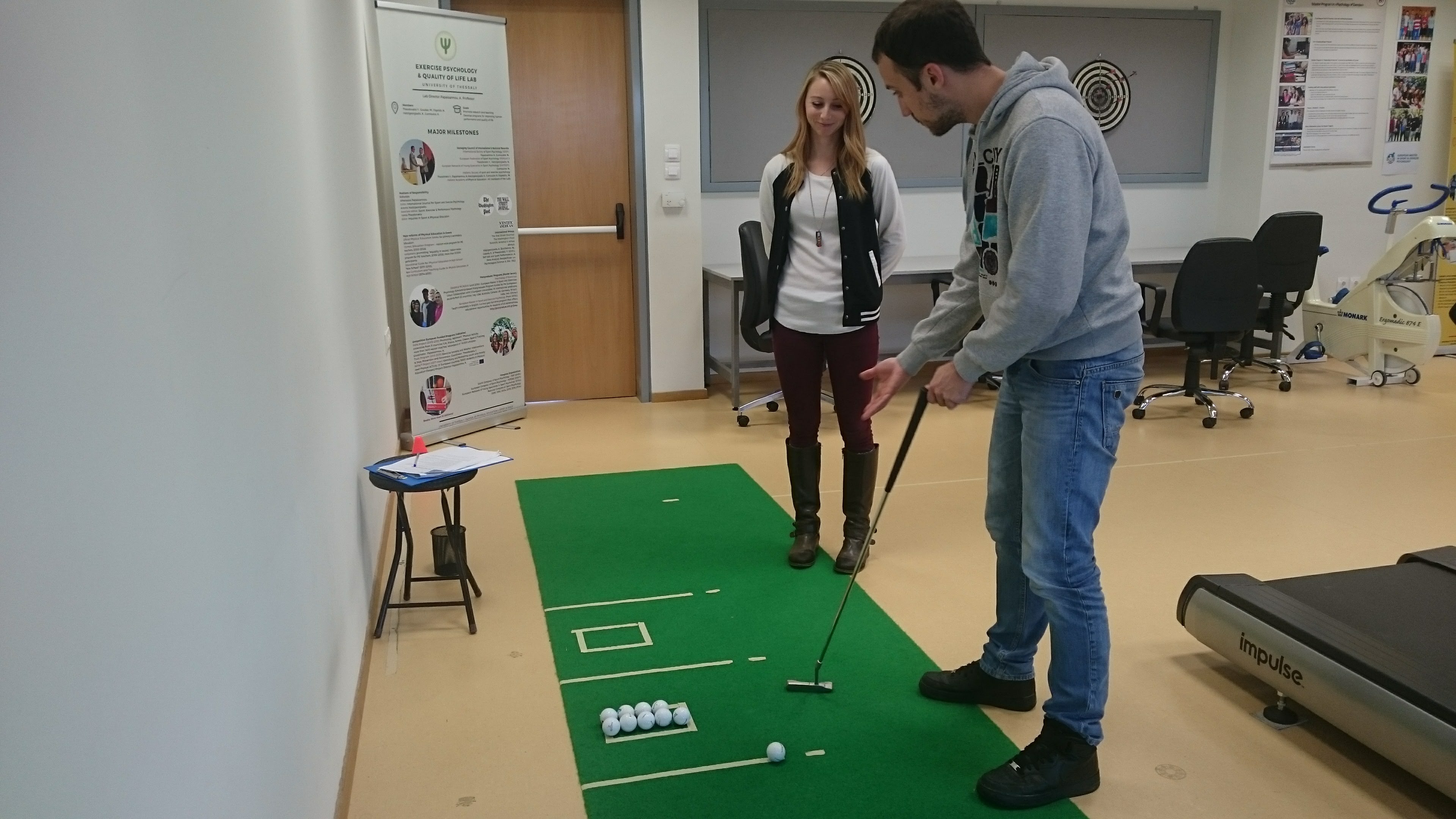
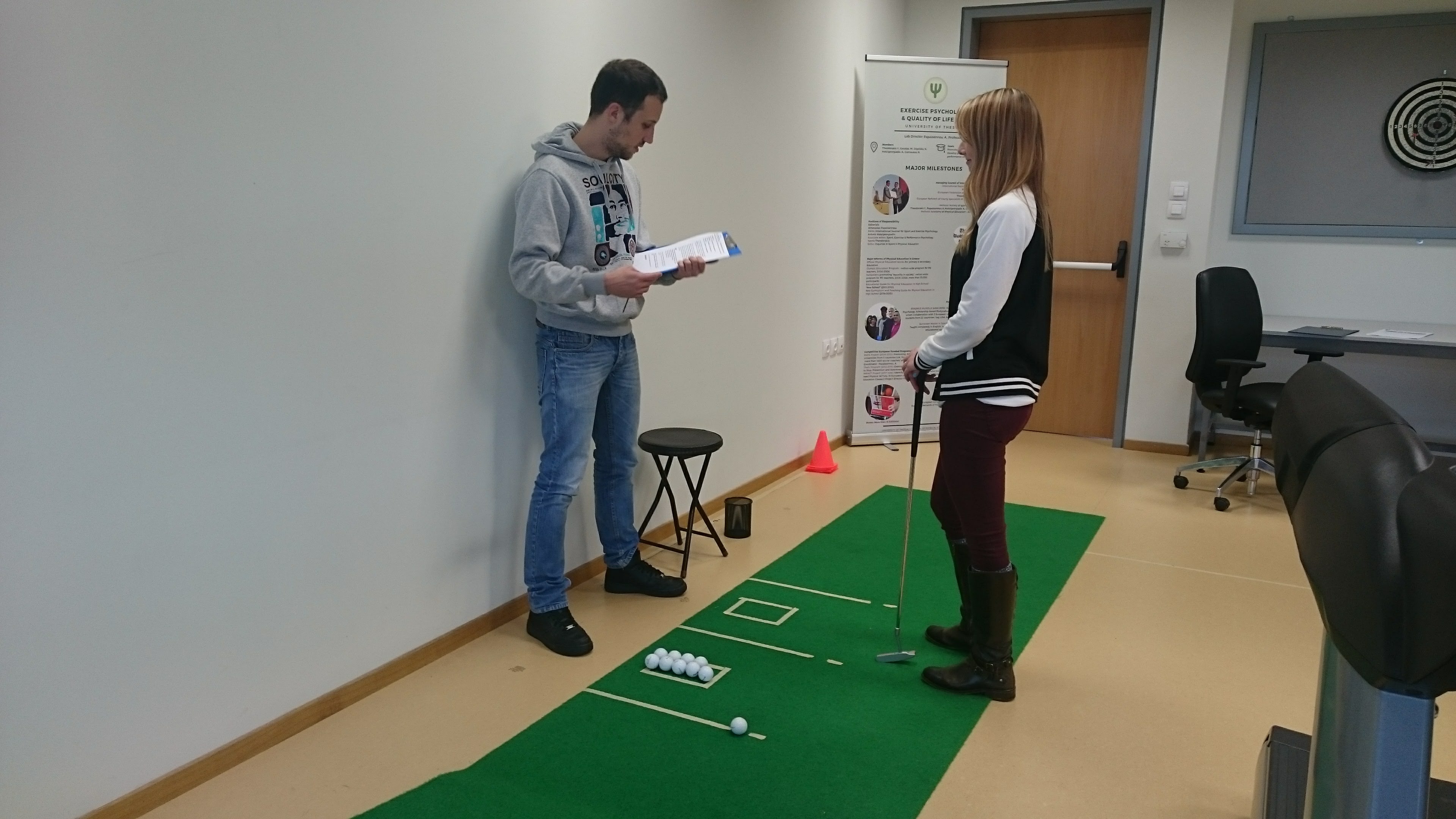
Take a look at their 4-stage experiment with some photos and don't hesitate to ask them about their experience :-)
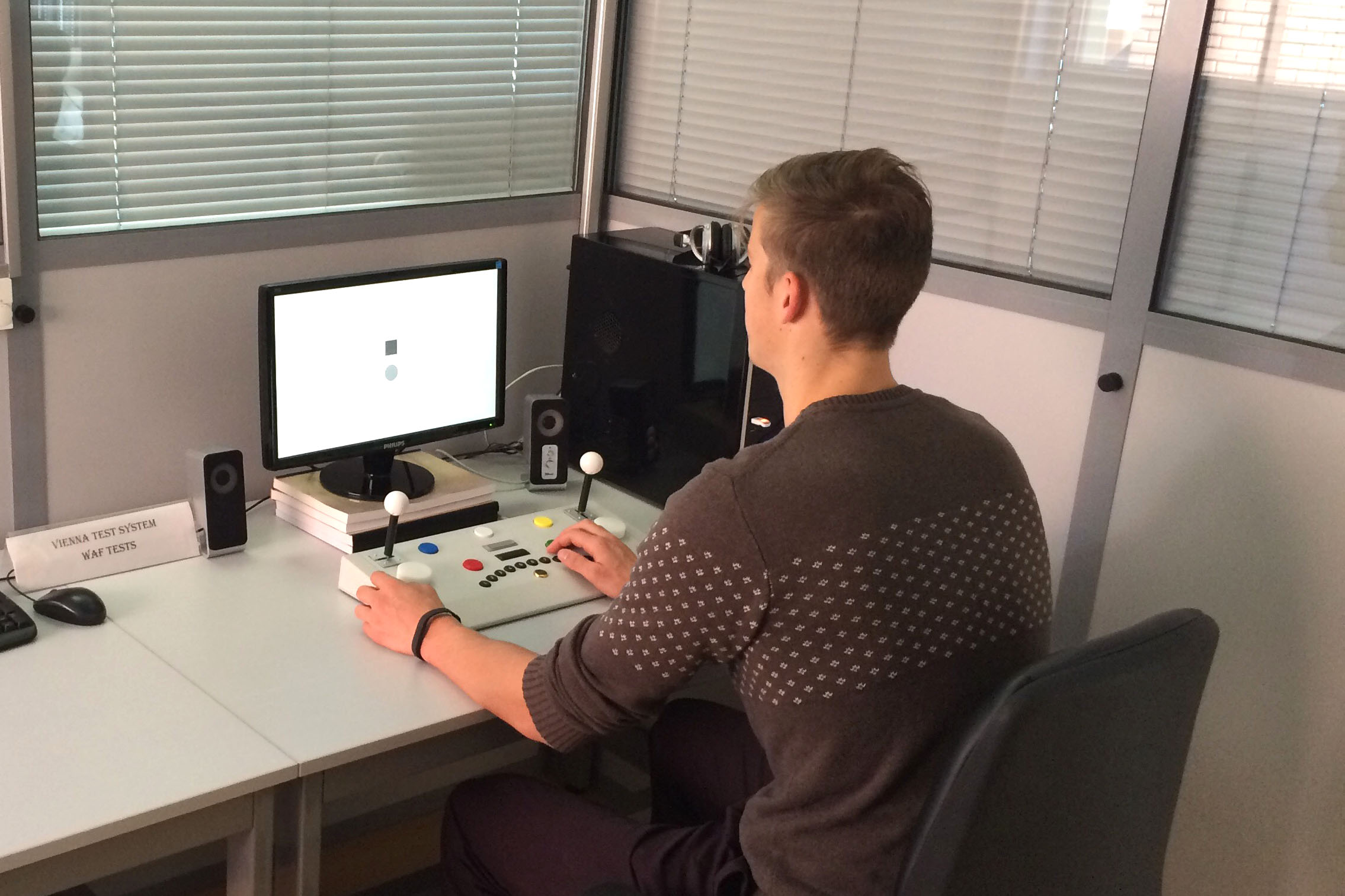
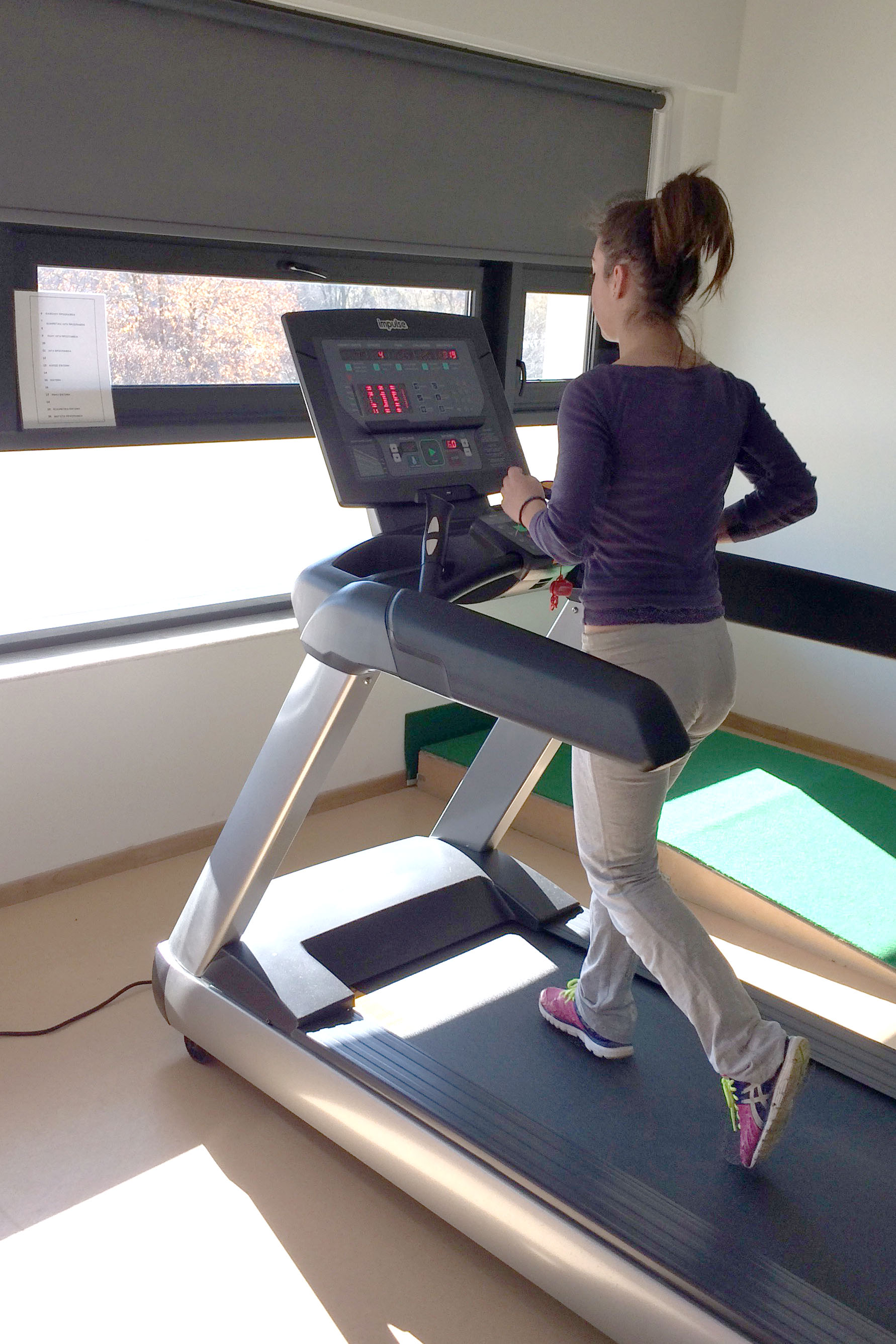
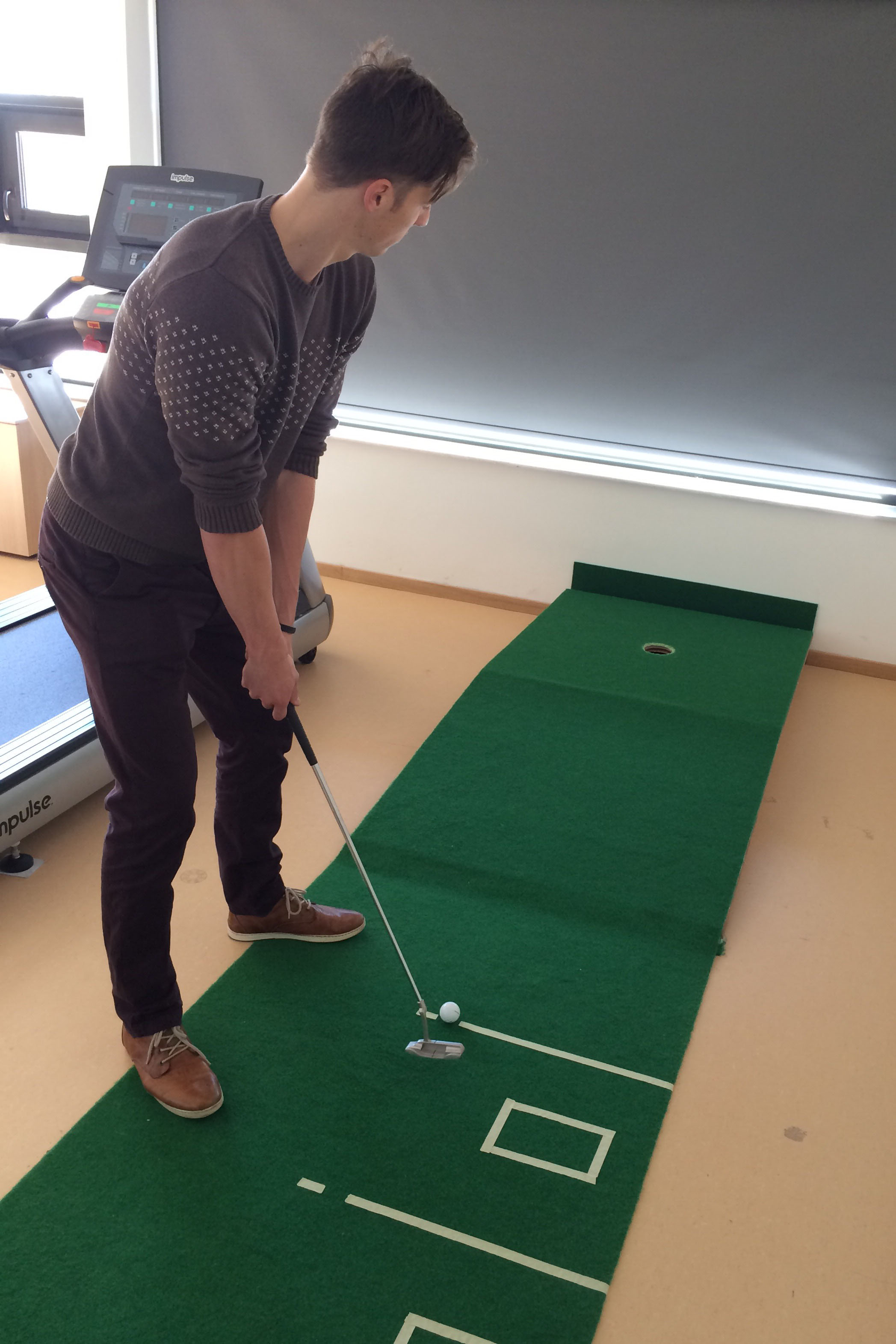
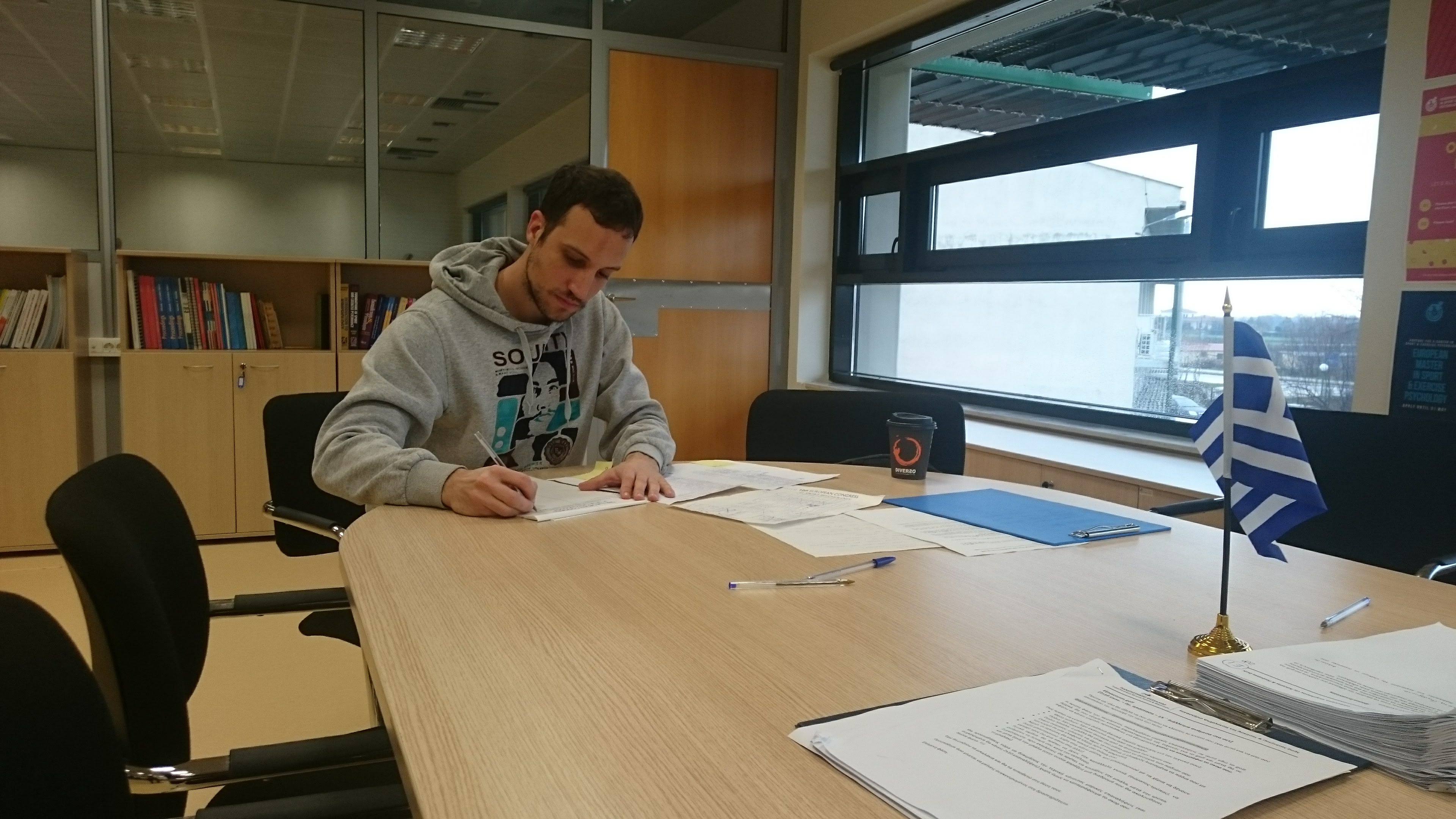
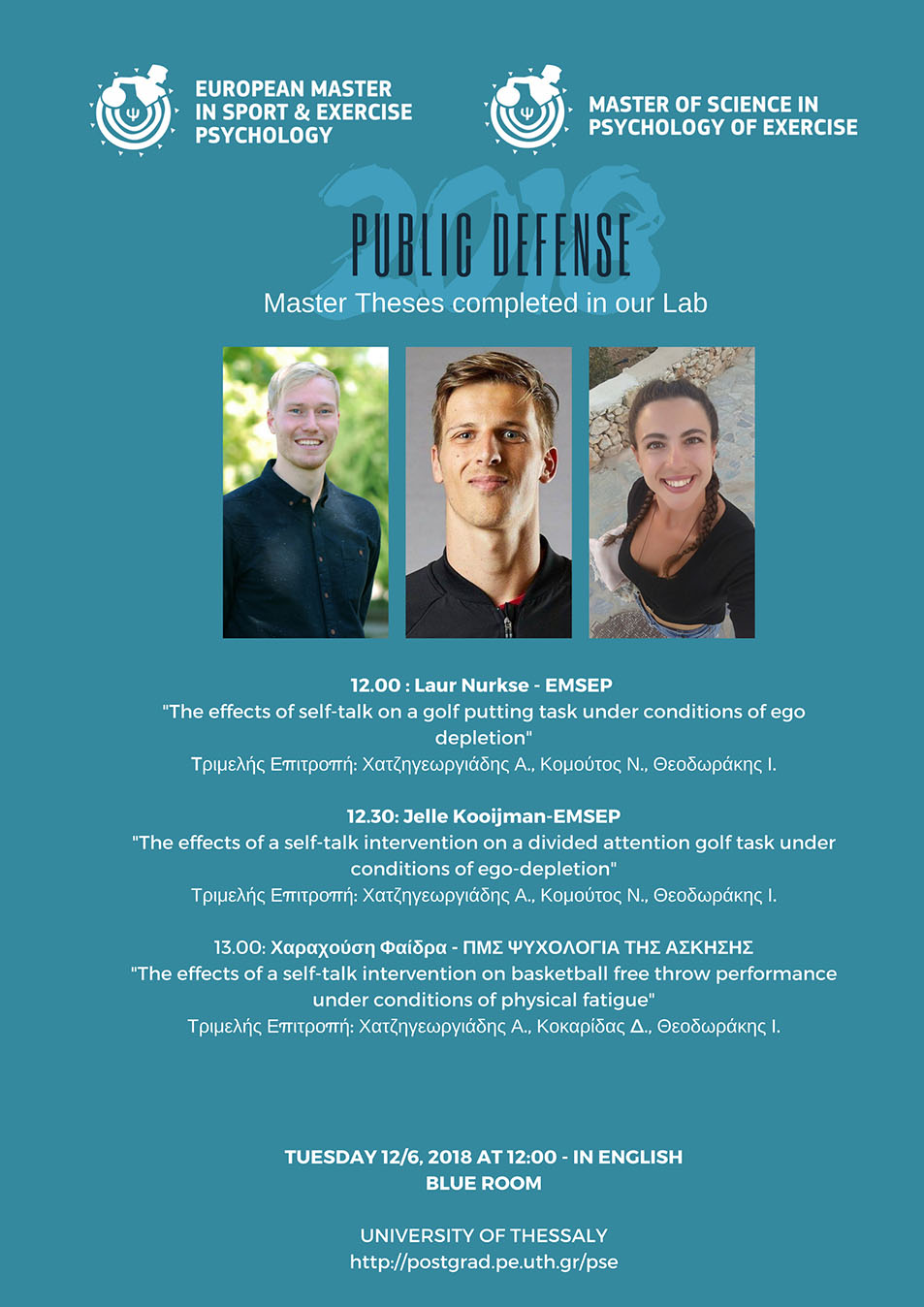
Master theses completed in our Lab: Tuesday 12/6 at 12.00
The effects of self-talk in a golf putting task under the conditions of ego depletion
by Laur Nurkse
A thesis submitted in Partial Fulfillment of the Requirements for the Degree of European Master of Sport and Exercise Psychology at The University of Thessaly in July 2018
Approved by supervising committee:
Prof. Antonis Hatzigeorgiadis, PhD
Prof. Nikos Comoutos, PhD
Prof. Yannis Theodorakis, PhD
Trikala, June 2018
Abstract
The effects of ego depletion have shown negative consequences on various sport tasks. Recently, self-talk emerged as a successful method to counteract ego depletion in a cognitive task (Gregersen et al., 2017). Thus, the current study aimed at extending this line of research and examined the effects of a self-talk intervention on a golf putting task in a state of ego depletion. Sample consisted of 61 undergraduate students (Mage = 18.59, SD = 1.04). The mixed between-within design with repeated measures experiment was conducted in a single session with four phases. Upon completion of the baseline measurement, participants were randomly assigned into control and experimental groups. Subsequently, both groups went through a training phase, during which the participants of the experimental group received a self-talk training intervention. The ego depletion manipulation took place prior to the final measurement, where participants performed a golf putting task with a weakened self-control strength. The analysis showed a marginal time by group interaction effect, F(1, 39) = 3.89, p = .056. Furthermore, pairwise comparisons revealed that experimental group participants significantly increased their golf putting performance (p < .001), whereas the performance for the control group remained stable (p = .37). The results of the study suggest that self-talk can be a viable method to facilitate sport performance in a state of ego depletion.
Keywords: self-talk mechanisms, self-talk intervention, golf performance, self-control strength
"The effects of a self-talk intervention on a divided attention golf task under conditions of ego-depletion"
by Jelle Kooijman-EMSEP
A thesis submitted in Partial Fulfillment of the Requirements for the Degree of European Master of Sport and Exercise Psychology at The University of Thessaly in July 2018
Approved by supervising committee:
Prof. Antonis Hatzigeorgiadis, PhD
Prof. Nikos Comoutos, PhD
Prof. Yannis Theodorakis, PhD
Trikala, June 2018